Toyota Hilux Gets a Heavy-Duty Overlander Upgrade
There’s a quiet problem lurking underneath almost every serious overland build in the UK.
Weight.
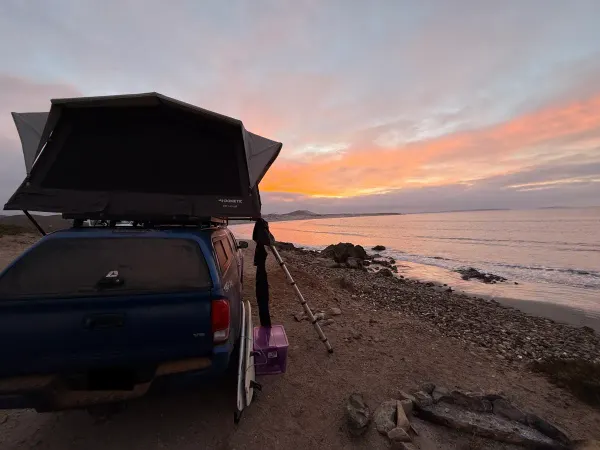
It sneaks up on people slowly. A set of all-terrains here. A drawer system there. Then comes the fridge, the recovery boards, the tool roll, the water tank, the camp kitchen you swore you’d keep minimalist. Before long, a perfectly ordinary pickup is trundling dangerously close to its legal limit before anyone has even climbed into it.
The Toyota Hilux - arguably the patron saint of global overlanding - isn’t immune to it either.
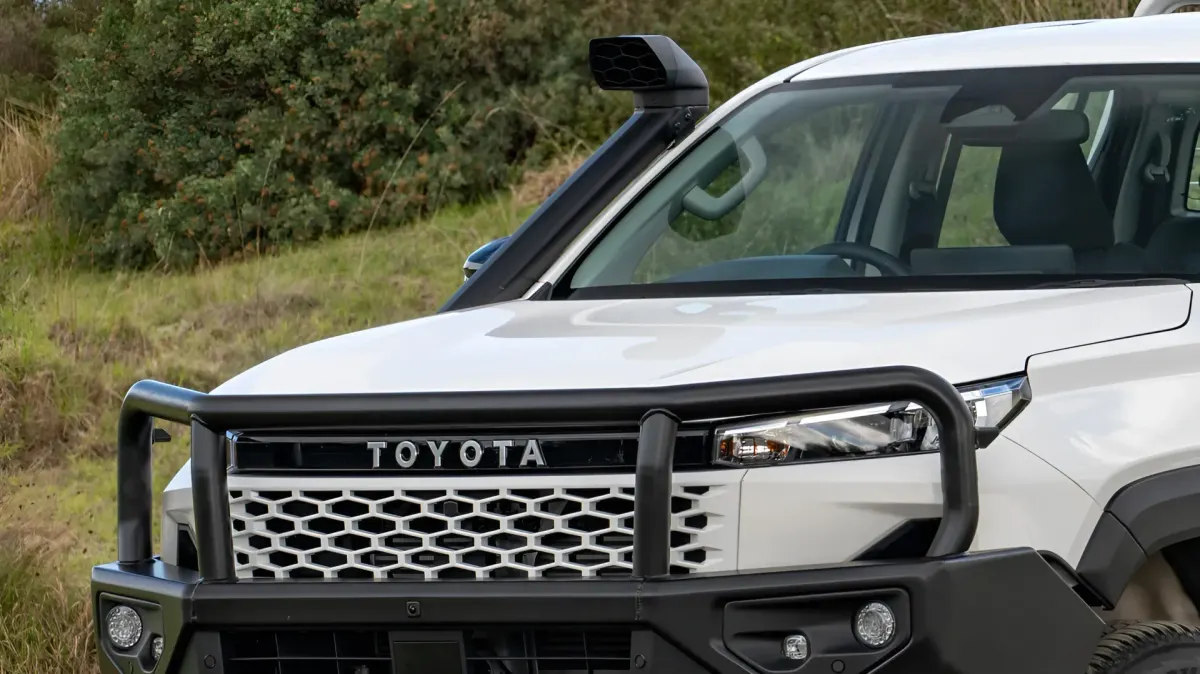
Which is exactly why Toyota’s new GVM upgrade is more interesting than it first appears. And, perhaps more importantly, more useful than most of the modifications people bolt onto their trucks in the first place.
What the Hilux GVM upgrade actually does
GVM - Gross Vehicle Mass - sounds like the kind of acronym designed to make your eyes glaze over halfway through a dealership brochure. In reality, it’s fairly simple: the maximum legal weight the vehicle can carry, including passengers, fuel, gear, and all the other “essentials” that somehow end up permanently living in the back of an overland build.
Toyota’s updated Hilux package increases that limit by roughly 350–400kg depending on configuration, while also revising suspension and load-bearing components to better cope with sustained weight over long distances.
And that’s really the story here.
For all intents and purposes, the Hilux remains the same truck it’s always been: slightly agricultural, mechanically honest, and seemingly impossible to kill. But Toyota has clearly recognised a growing reality in the overland world - people are carrying more gear, building heavier rigs, and travelling further than ever before.
This isn’t a flashy upgrade. It’s a quiet, practical one. But gives so much back to those desperately looking for a solution to the weight issue.
Where the Hilux still wins
There’s an interesting split happening in the modern pickup world.
On one side, you have traditional workhorses like the Hilux: durable, globally proven, and designed around surviving abuse rather than impressing spec-sheet warriors online.
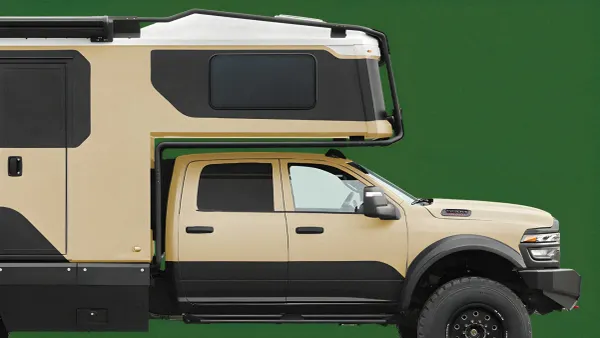
On the other, you’ve got a new breed of heavy-duty pickups like the Ford Ranger - trucks leaning hard into maximum towing figures, giant payload numbers, and increasingly extreme capability claims.
The difference feels philosophical as much as mechanical.
The Ranger Super Duty is trying to become more workhorse,
The Hilux, meanwhile, is still trying to remain a... well, a Hilux.
What changes on the road
Empty, the upgraded Hilux behaves exactly how you’d expect a Hilux to behave.
You still get:
- the familiar 2.8-litre diesel
- steady low-end torque
- part-time four-wheel drive
- and road manners best described as “honest” rather than refined
Nobody buys a Hilux for razor-sharp steering feel.
Loaded up, though, the difference becomes clearer.
Where heavily built trucks can start to feel strained, saggy, or vaguely overwhelmed under touring loads, the GVM-upgraded version has noticeably more breathing room. Particularly with canopy builds, long-range setups, or permanent expedition gear onboard.
It’s less about making the truck exciting.
It’s about stopping the build from becoming compromised and giving users the confidence to do more with payload
Is it worth it?
That depends entirely on the kind of build you’re creating.
If your setup is relatively lightweight - occasional camps, soft storage, minimal gear - you’ll probably never notice the difference.
But if you’re building something closer to a genuine expedition platform - canopy system, permanent storage, fridge, water, recovery equipment, maybe even long-range touring plans - then the extra margin starts to matter very quickly.
Final thoughts
The Hilux doesn’t need reinventing. That’s precisely why people keep buying them.
They’re dependable in the same way a good hammer is dependable: not glamorous, not especially clever, but relentlessly effective at the job they were built to do.
The GVM upgrade doesn’t change the Hilux’s character.
It simply aligns the truck more closely with modern overlanding scene - heavier builds, longer trips, and increasing expectations around what a midsize pickup should be capable of carrying.
It won’t generate the same excitement as a massive horsepower bump or an aggressive redesign.
But quietly solving a real-world problem is usually far more valuable than generating internet hype.
Especially once you’re several hundred miles from home with a fully loaded truck and a week’s worth of bad weather ahead of you.